Expedición al Medievo 4.0 is a cultural and tourism project connecting 13 medieval heritage sites across 7 autonomous regions of Spain through immersive experiences and 4.0 technology. Led by eight Spanish dioceses and backed by Spain’s Ministry of Industry and Tourism with Next Generation EU funds, the project was officially presented on 1 June 2026 at the National Historical Archive in Madrid, with the ambition of becoming a benchmark for cultural and heritage tourism in Spain.
A brand-new project: the official launch
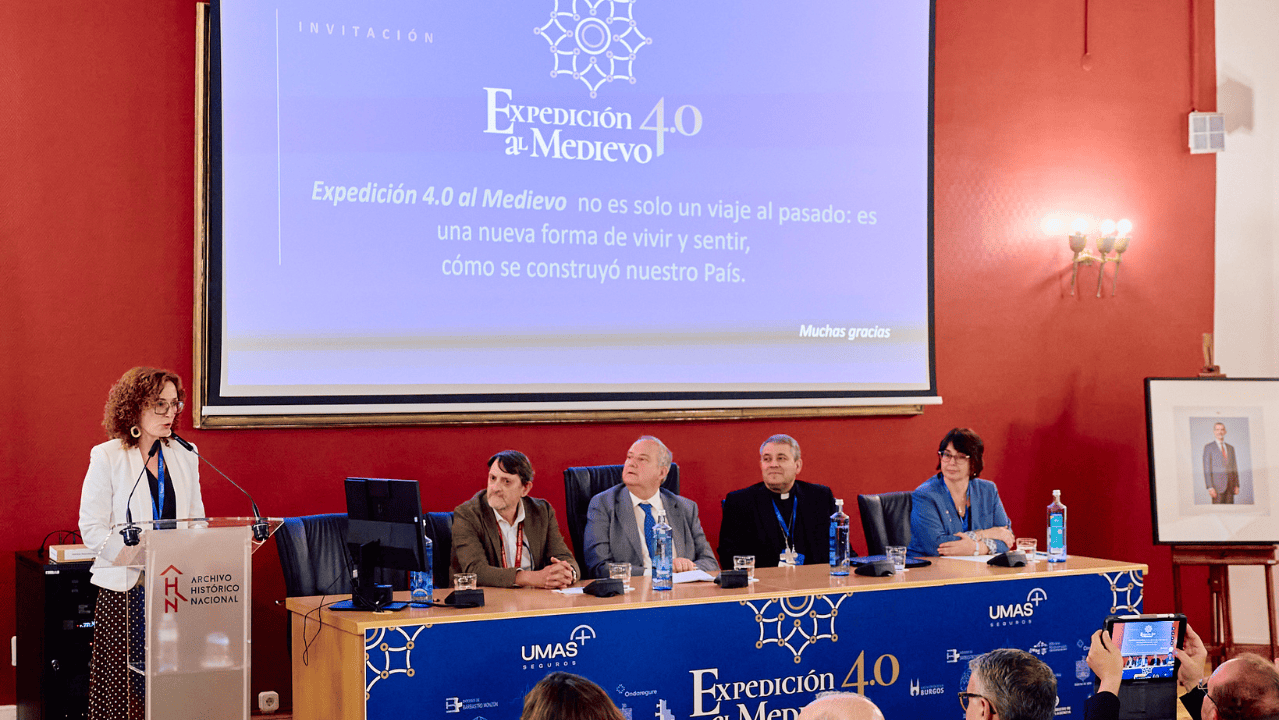
The official presentation of “Expedición al Medievo 4.0. A unique journey to the heart of the Middle Ages” took place in the Assembly Hall of the National Historical Archive in Madrid, with the participation of Spain’s Minister of Industry and Tourism, Jordi Hereu Boher, alongside institutional, cultural and academic representatives linked to Spanish medieval heritage.
The event featured an institutional welcome from Juan Ramón Romero Fernández-Pacheco, director of the National Historical Archive, and speeches from Bishop Vicente Rebollo Mozos of Tarazona, member of the Spanish Episcopal Conference’s Subcommittee for Cultural Heritage; Belén Luque Herrán, director of the Diocesan Museum of Jaca; and Ana Echevarría Arsuaga, professor of Medieval History at UNED. The session was moderated by Mercedes Orantos Sánchez, Cultural Heritage delegate for the Diocese of Plasencia.
Who is behind Expedición al Medievo 4.0?
The project is led by the “Expedición al Medievo 4.0” group, made up of the Archdioceses of Toledo, Granada, Burgos and Pamplona-Tudela, together with the Dioceses of Barbastro-Monzón, Jaca, Plasencia and Bilbao. It is also backed by the Experiencias Turismo España programme of Spain’s Ministry of Industry and Tourism, funded through Next Generation EU under the Recovery, Transformation and Resilience Plan.
Collaborating institutions include the National Historical Archive of Spain, part of the Ministry of Culture, which hosted the presentation.
The 13 sites and 7 regions on the route
The project builds a cultural network of 13 heritage sites combining history, art, spirituality, technological innovation and cultural outreach. Each site offers a unique take on the medieval legacy: spirituality, art, cultural coexistence, daily life or regional identity.
| Autonomous region | Diocese / Archdiocese | Central theme |
|---|---|---|
| Andalusia | Archdiocese of Granada | Carthusian spirituality (Silentia) |
| Aragon | Dioceses of Jaca and Barbastro-Monzón | Medieval women and interfaith trade |
| Castilla-La Mancha | Archdiocese of Toledo | Interculturality and coexistence (Ánima) |
| Castile and León | Archdiocese of Burgos | Rural life and Gothic art (Arlanza Cathedrals) |
| Extremadura | Diocese of Plasencia | Episcopal city (Plasencia con Alma) |
| Navarre | Archdiocese of Pamplona-Tudela | Medieval festivities (cathedral giants) |
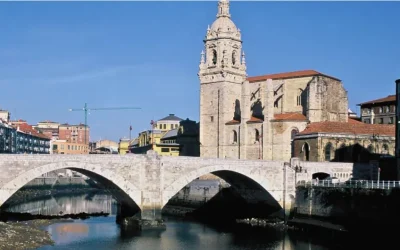
| Basque Country | Diocese of Bilbao | Urban origins and founding (San Antón) |
A new way to experience medieval heritage
Through digital resources, audiovisual content, immersive experiences and interpretive trails, Expedición al Medievo 4.0 lets visitors engage in an innovative way with Spain’s major medieval historical and religious sites, making the heritage more accessible, educational and contemporary.
The technology used — 3D scanning, augmented reality, audiovisual projections and multisensory resources — also adapts the experience for people with different disabilities, removing architectural and cognitive barriers and ensuring universal access to heritage.
Why now? The context behind the project
The initiative aims to become a benchmark for cultural and heritage tourism in Spain, fostering cooperation between territories, safeguarding medieval historical and religious heritage, and developing new cultural experiences suited to today’s audiences. The model draws inspiration from established European cultural routes, such as the Loire Valley Castles Route in France, which show how a shared narrative across multiple sites multiplies tourist appeal compared with isolated visits.
Frequently asked questions about Expedición al Medievo 4.0
What exactly is Expedición al Medievo 4.0?
It’s a cultural and tourism project connecting 13 medieval heritage sites across 7 autonomous regions of Spain through immersive experiences and 4.0 technologies, led by eight Spanish dioceses.
When was the project officially launched?
The official presentation took place on 1 June 2026 at the National Historical Archive in Madrid, with Spain’s Minister of Industry and Tourism, Jordi Hereu Boher, in attendance.
Who funds Expedición al Medievo 4.0?
The project is backed by the Experiencias Turismo España programme of Spain’s Ministry of Industry and Tourism, funded through Next Generation EU funds.
Which sites are part of the route?
The sites are spread across Andalusia, Aragon, Castilla-La Mancha, Castile and León, Extremadura, Navarre and the Basque Country, ranging from the Charterhouse of Granada to the Arlanza Cathedrals in Burgos or San Antón in Bilbao.
Is it accessible for people with disabilities?
Yes. The project incorporates technology designed to remove architectural and cognitive barriers, ensuring universal and inclusive access to medieval heritage.
Start your own expedition
Expedición al Medievo 4.0 has just been born, yet it already links centuries of history with present-day technology. Explore each site, discover the region waiting for you, and plan your own journey to the heart of medieval Spain.
Discover all the sites at expedicionmedievo.es.